 Posted by
  Understanding the Function of an Arborist
An arborist is an expert who specializes in the care and monitoring of trees, shrubs, and other woody plants. Their proficiency ensures the health, safety and security, and visual allure of the landscapes in which these plants thrive. Arborists play a vital role not only in the maintenance of public parks and arboretums but also in household landscape design, focusing on both the beauty and the wellness of trees within our communities.
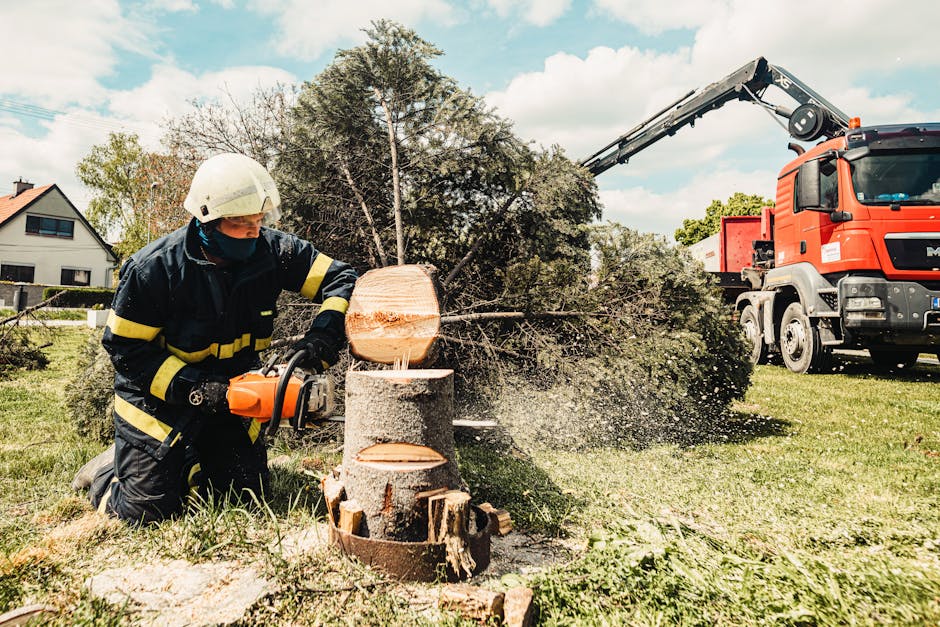
One of the primary responsibilities of an arborist is tree care, that includes growing, pruning, and eliminating trees when essential. Pruning is especially crucial as it promotes healthy and balanced growth, enhances air blood circulation, and helps to get rid of potential dangers posed by dead or weak branches. Arborists utilize a range of specialized devices and equipment, from hand pruners to chainsaws, to perform these tasks safely and effectively, accounting for the certain needs of each tree types.
Along with physical tree treatment, arborists additionally examine tree health and wellness via analysis tools and strategies. They meticulously review tree types, dirt conditions, and possible parasites or illness that could endanger the general health and wellness of the trees. With their substantial knowledge of tree biology and ecology, arborists can advise treatments and develop management strategies that might include insect control, fertilization, and dirt enhancement, making certain the durability and sustainability of city and country landscapes alike.
Furthermore, arborists play an important function in ecological conservation. By promoting tree growing campaigns and helping with reforestation efforts, they contribute to the decrease of carbon impacts and the improvement of biodiversity. As urban locations continue to increase, the significance of preserving a balance between growth and environment-friendly area comes to be increasingly evident. Arborists are key players in supporting for plans that sustain tree preservation and metropolitan forestry, making them important for environmental health and neighborhood wellness.
Finally, the function of an arborist prolongs far past simple tree upkeep; it encompasses an alternative approach to improving and preserving our natural surroundings. With their specialized abilities and knowledge, arborists make sure the health and wellness of trees while adding favorably to our overall landscape. As understanding expands relating to the value of trees in mitigating climate modification and providing habitat for wild animals, the job of arborists will remain to be vital in producing lasting, dynamic neighborhoods.